
Cooper Disposal
Cooper had strong demand and a reputation built on reliable service — but their ads were running blind, their budget was leaking with nothing to show for it, and their website wasn't converting the traffic they were already paying for. We rebuilt the system from the ground up. Within 90 days, they were getting consistent daily quote requests and every dollar of ad spend was tied to a real outcome.
- You're running Google Ads but can't tell which clicks are actually becoming customers
- Your website gets traffic but the phone isn't ringing the way it should
- You've spent real money on marketing and have little to show for it
- You want a system that generates consistent inbound — not just occasional leads
Daily quote requests
From sporadic, untracked leads to consistent inbound inquiries every day.
Ad spend tied to results
Every dollar tracked to a real outcome. No more guessing what was working.
Revenue always ahead of spend
A strict rule we never break: marketing spend never outpaces what it generates.
No conversion tracking. No way to know which clicks became customers. Budget spent on faith, not data.
Consistent daily form fills and call-ins from people actively searching to rent — not passive browsers.
We never scale a budget past what it demonstrably generates. Growth is methodical, not reckless.
Spending real money on ads with no way to know if they worked.
Cooper had been running Google Ads for a while before we came on. The problem wasn't the platform — it was the setup. Campaigns had no structure, keywords were broad and unmanaged, and there was zero conversion tracking in place. They were spending a few thousand dollars a month and getting a handful of customers with no clear line between the two.
The website wasn't helping either. Traffic was coming in but the page people landed on didn't give them a fast, clear reason to fill out a form or call. Sizing was confusing, pricing wasn't clear, and the path to booking was friction-heavy — especially on mobile, where most of their buyers were searching.
- Ads running with no conversion tracking
- Broad keywords burning budget on bad intent
- No visibility into cost per lead
- Landing pages with no clear CTA or pricing
- Mobile experience losing buyers mid-scroll
- No way to tell what was actually working
- Full conversion tracking from click to lead
- Tight keyword structure around rent-now intent
- Real cost-per-lead visibility every week
- Landing pages built to convert on mobile
- Clear sizing, pricing, and one obvious next step
- Daily quote requests within 90 days
A full rebuild — tracking first, then acquisition, then scale.
You can't optimize what you can't measure. Before touching the ads or the website, we set up the tracking infrastructure — call tracking, form conversion events, and attribution that actually mapped clicks to customers. That alone changed everything. For the first time, Cooper could see exactly which campaigns, keywords, and pages were generating real leads.
Tracking & measurement foundation
Installed GA4, call tracking, and form conversion events so every lead source was identified. Immediately revealed which existing campaigns were wasting budget.
Google Ads rebuild — intent-first structure
Scrapped the old campaign structure. Rebuilt around high-intent keywords: people searching to rent a dumpster now, not people researching or comparing. Added negative keywords to stop paying for irrelevant clicks.
Landing page rebuild for conversion
Rebuilt the pages people landed on after clicking an ad. Clear container sizing, transparent pricing, one obvious CTA, and a fast mobile experience. Reduced the friction between "I need a dumpster" and "I just submitted a quote request."
Weekly optimization & budget discipline
Ongoing weekly reviews: search term hygiene, bid adjustments, ad copy testing. Budget scaled up only when data confirmed it was generating more than it cost — never before.
Local SEO & Google Business Profile
Aligned the website's service-area pages and GBP to support organic rankings alongside the paid campaigns — so Cooper was showing up in both paid and organic results for their core searches.
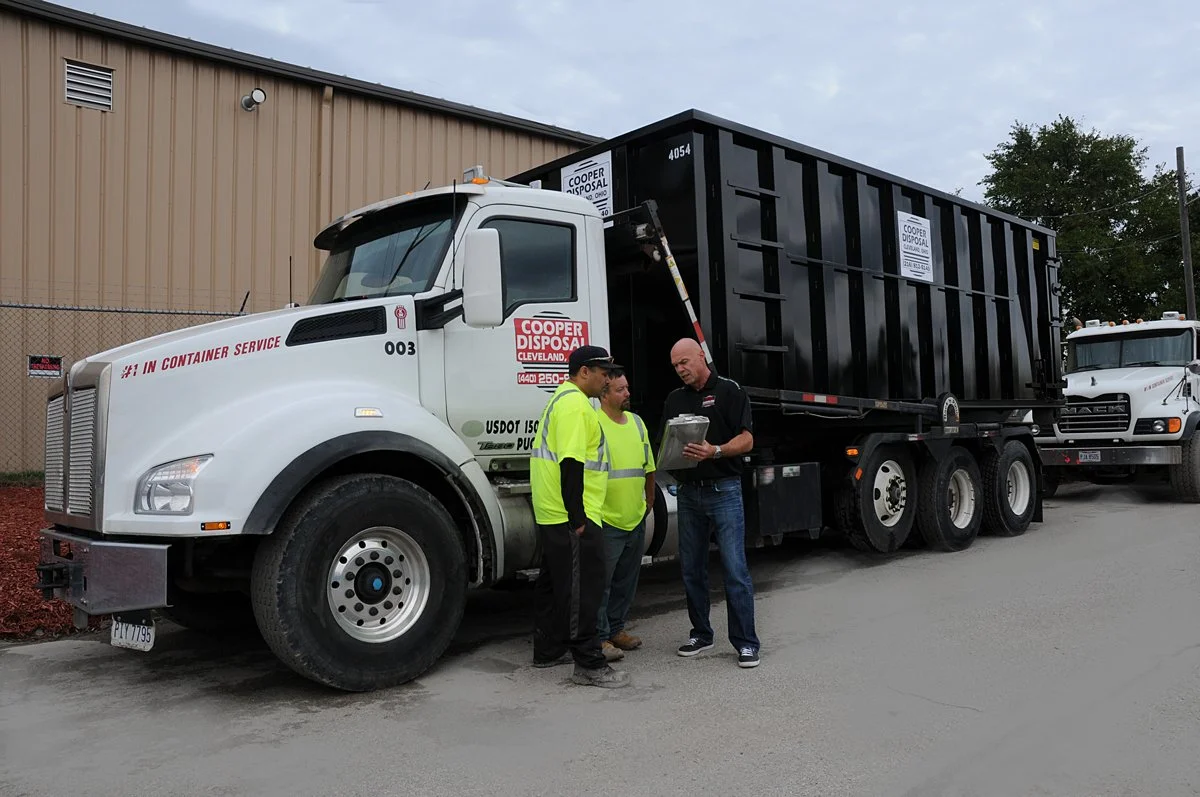
Everything built, managed, and owned by Cooper.
- →Conversion tracking setup: GA4, call tracking, form events — full attribution from click to customer.
- →Google Ads rebuild: intent-focused campaign structure, negative keyword hygiene, ongoing weekly optimization.
- →Landing page rebuild: mobile-first, clear pricing and sizing, single CTA, fast load time.
- →Local SEO: service-area page alignment and GBP optimization to support organic visibility.
- →Weekly reporting: plain-language updates on what's working, what changed, and what's next.